The Story Behind "Wonderland"
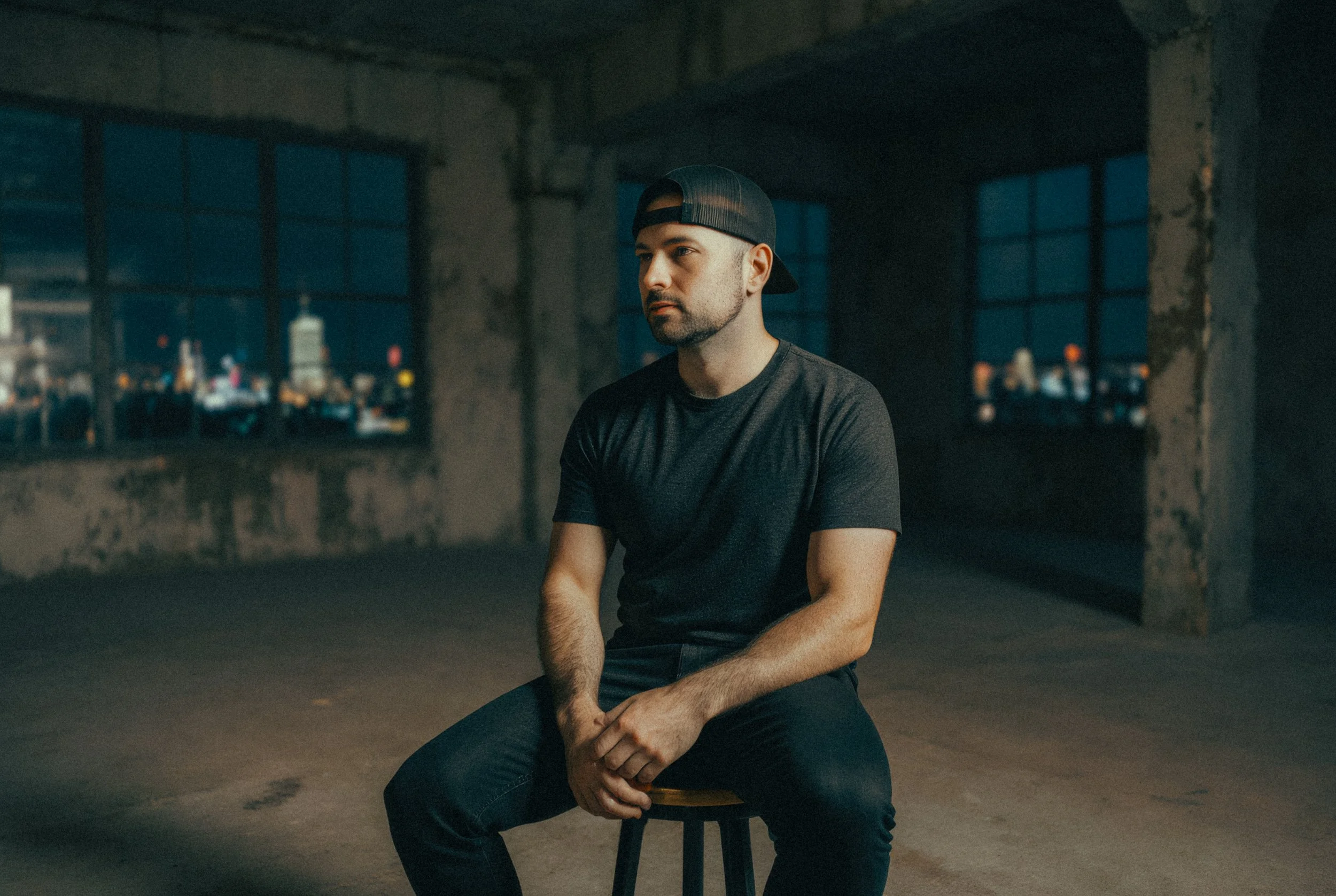
In this candid interview, composer-turned-songwriter Dexter Britain opens up about Wonderland, the debut single from his new solo project No Band Left. Written back in 2011 during a period of self-doubt and uncertainty, the song explores themes of escapism, ambition, and the hope for something better, even when the odds feel stacked against you.
Having spent the last decade building a career in cinematic and orchestral music for film and television, Dexter finds himself returning to the raw, personal songwriting that first pulled him toward music. No Band Left blends emotional storytelling with a fusion of electronic, pop, and progressive influences, rooted in real experiences, but reaching for something imaginative and new.
With Wonderland, he's not just revisiting the past, he’s rewriting it. And for listeners looking for something honest, ambitious, and deeply human, this is just the beginning.
Q&A
Q1. Let’s go back — when and why did you originally write Wonderland? Was there a specific moment or feeling that inspired it?
I wrote Wonderland at a time when I was quite lost. Young as I was, I felt like I had missed my chance. Music back then felt like a very young person’s game, and if you weren't getting traction by your twenties, it felt like a hopeless cause.
Wonderland was my want to find something more special than the bland and un-unique life that was presenting itself before me. I had quit my jobs in retail, moved back home to my parents to focus entirely on making music a reality. It wasn't coming to fruition and I was beginning to feel very foolish.
The lyrics of the song "I’ve always lived beyond my means" aren't about financially doing so, but about dreaming too big.
Q2. Now that you're releasing it over a decade later, what made you want to come back to this song? What’s changed, in you, or in the world that made it feel right now?
What’s changed is that I’ve had a taste of success. My career in classical crossover composition and soundtracks gave me a great few years in the music industry. But that's all changed now and it seems the rug has been pulled out from under my feet.
I’m back in a place like I was all those years ago, feeling lost and foolish. I don't know what is going to happen to me, but I can continue to dream of a Wonderland.
Q3. The production is both cinematic and electronic, how did you approach blending those worlds? How involved were you in the arrangement/production process?
I knew I wanted to make an electronic track, but I can never really steer 100% away from my soundtrack style, so blending the two was very natural to me.
Q4. You’re known for cinematic and orchestral music, how does No Band Left differ creatively from your soundtrack work? Is this project about freedom, vulnerability, something else?
This project is meant to be a complete departure from the work I've been known for. It's a fresh start musically, even though I'm starting by using my old lyrics.
It's a lot more bold and brave for me, as lyrical work is really putting myself out there, no hiding behind instrumentals. The production and composition of each track is going to be new, with a lot of progressive trance, electronic, and pop influences.
Q5. What does the name No Band Left mean to you? Why that name, and what does it say about the project?
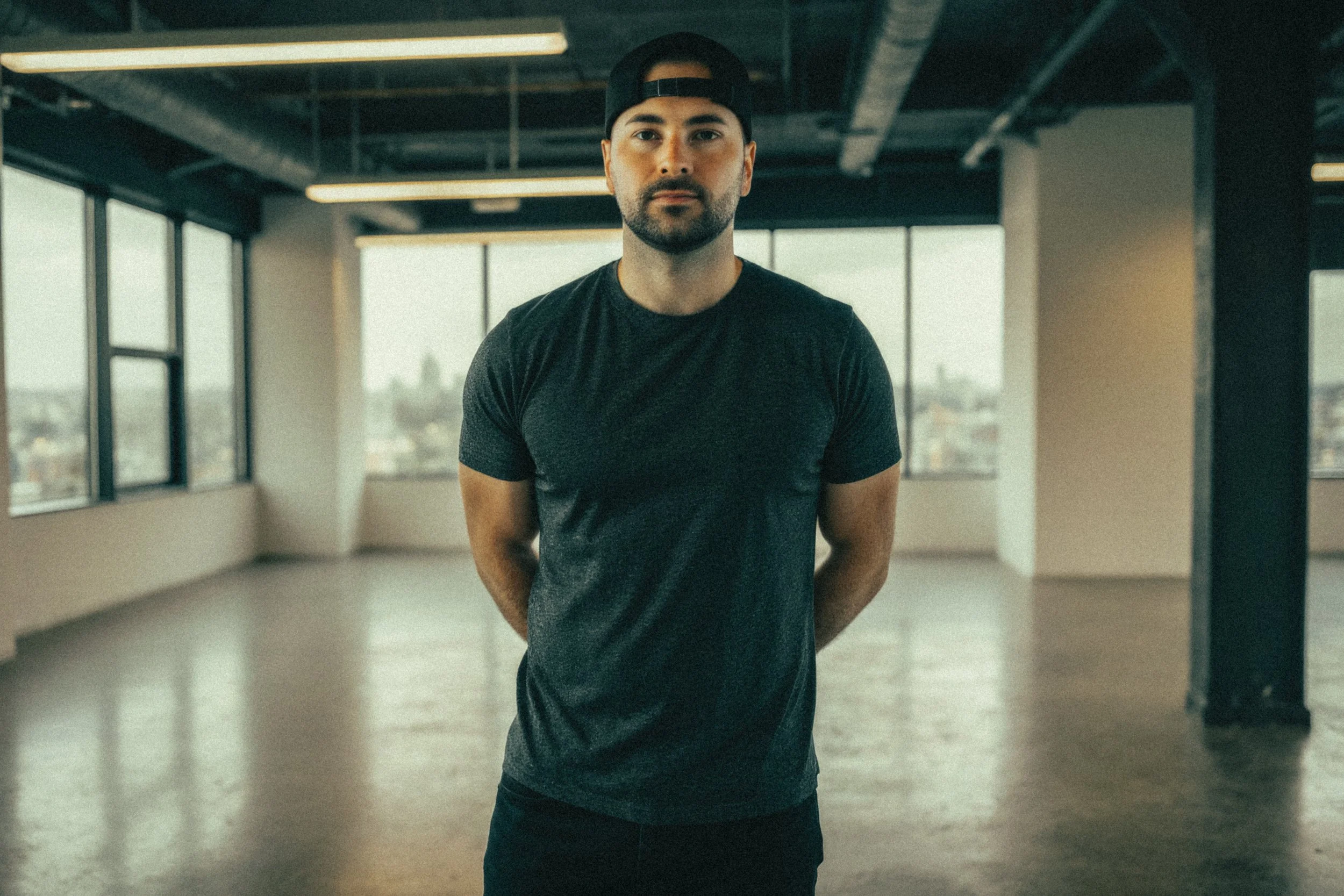
The name No Band Left came about by the method of production. I am a solo artist, but I need singers and potentially other musicians to make the songs viable. I knew that I would initially, for the first few songs at least, use AI. So the name is a somber reflection on the future of music that is completely digital, computer-generated, or fake as it may be. That’s not actually what this project is. I have always written my own lyrics, produced my own music, and put in the work to make sure each track is uniquely me.
Q6. Do you see Wonderland as a one-off or the beginning of something bigger? Is there a larger story or project coming?
Wonderland is the first single of many, each exploring my mood, emotion, and changing attitude to things like life, work, and society.
I'm back to writing new songs as well as digging up plenty of inspiration from my past. The old songwriting notebooks are out, and I'm excited to see old ideas that I can make new.
Q7. How does technology shape your songwriting now, and how do you stay grounded in authenticity? Especially with tools like AI in the mix, what keeps the music personal?
I will always write my own songs and I will always produce my own music. AI can help provide me with a vocalist whilst I'm starting out, but the project is my musical voice and I will keep being authentic with what I have to say and how I present my music.
Q8. If someone hears Wonderland for the first time, what do you hope they feel? What kind of listener do you imagine it reaching?
Wonderland is a song of hope, but it’s melancholy. Dreaming and hoping for something,but with a layer of jaded suspense.
I know I'm not the only person in the world with a dream, and I hope that everyone else who dreams of something more in their life can reflect on the lyrics and relate them to their own.
Q9. Lastly, who are your musical influences for this project? Any artists, albums, or eras that helped shape the sound or spirit?
I have countless inspirations for all my songs. I love Moby, Dido, Lady Gaga, Aphex Twin, Kygo, the list is endless.
I'm not a one-genre artist, I haven’t been in my soundtrack composition, so I won’t be with No Band Left. I pick the genre that best tells the story or presents the lyrics in the most appropriate and interesting way.
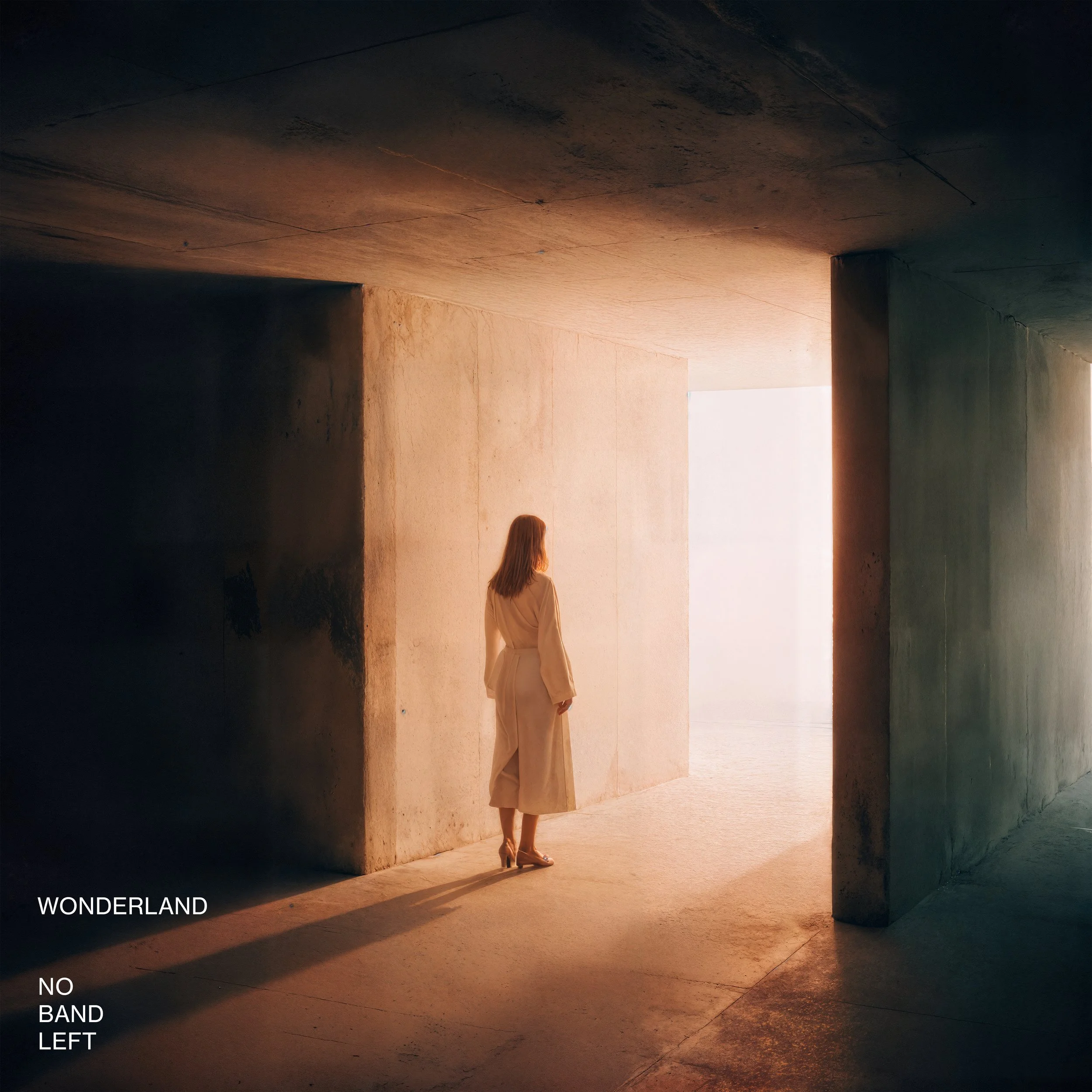
Wonderland is out now on all major streaming platforms. As the first release from No Band Left, it offers a glimpse into a new chapter, one where past and future collide through cinematic sounds, electronic textures, and deeply personal songwriting.
If you've ever felt caught between reality and a dream, Wonderland might just be your soundtrack.
